Steel Components Built to Calculated Loads
Structural Fabrication in Ballinger for construction projects requiring engineered steel support systems
West Central Texas wind events generate lateral loads that exceed the capacity of undersized steel framing, causing connection failures at beam-to-column joints and deflection that cracks masonry or pulls fasteners loose. Bean Welding & Construction LLC fabricates structural steel components designed to meet load requirements for residential, commercial, agricultural, and industrial construction projects. The team works from engineering specifications to fabricate beams, columns, trusses, bracing systems, and custom assemblies that provide the strength and stability your project's design demands. Skilled welding techniques ensure joints develop full material strength rather than creating weak points where stress concentrates under load.
Structural fabrication begins with reviewing design documents to confirm dimensions, connection details, and material specifications before cutting and welding begin. Steel components are fabricated to tight tolerances so field installation proceeds without forcing fits or making adjustments that compromise structural integrity. Quality control checks verify weld penetration, dimensional accuracy, and alignment before components leave the shop.
Arrange a project review to discuss your structural steel requirements and confirm fabrication timelines for your construction schedule.
What Fabrication Standards Prevent in the Field
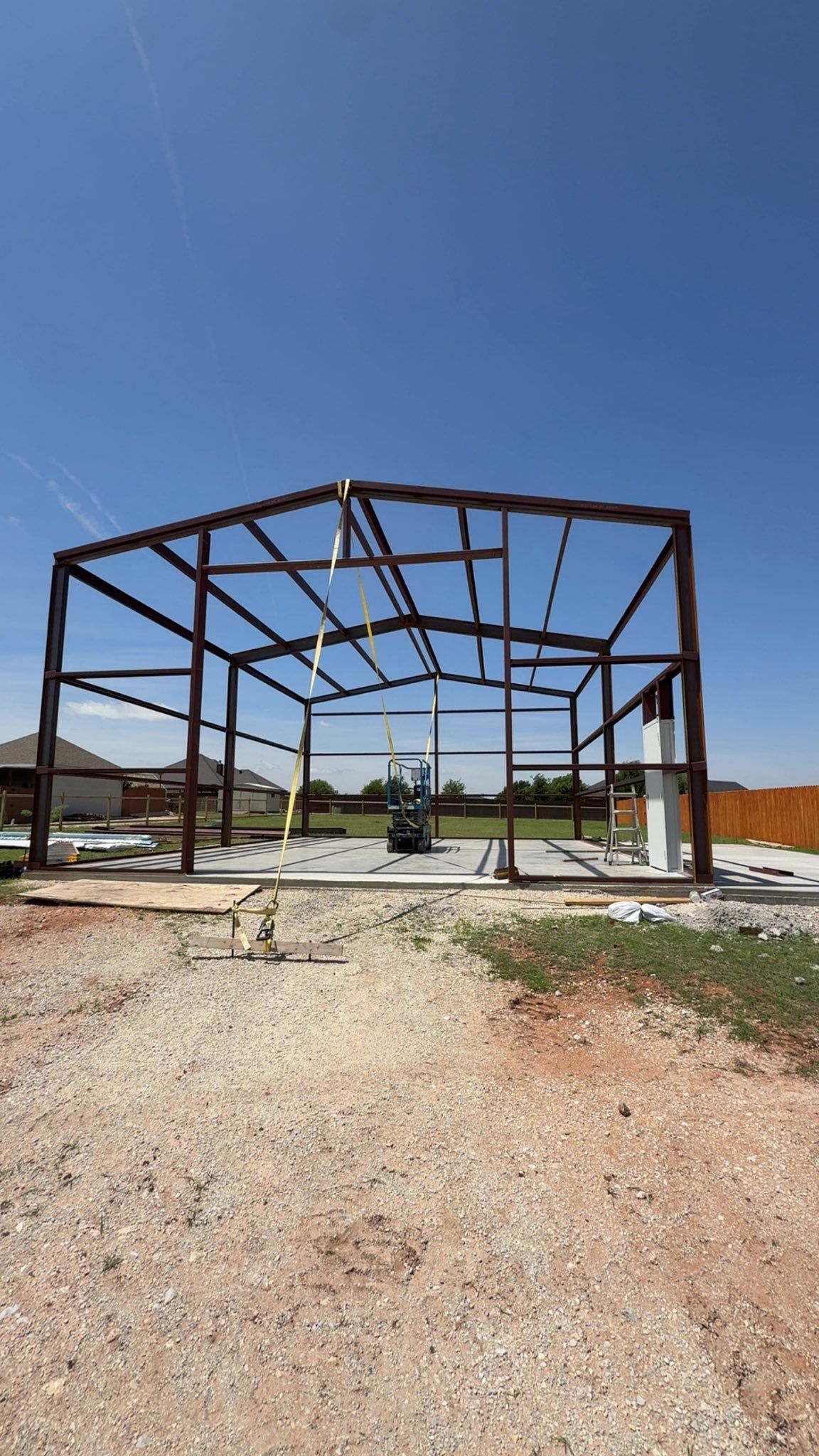
Structural fabrication involves cutting steel members to exact lengths, preparing connection surfaces, and welding joints using techniques appropriate for the material grade and load conditions. Beam-to-column connections are fabricated with gusset plates or flange welds that distribute forces across sufficient material area to prevent tearing or deformation. Truss assemblies are welded in jigs that hold components in alignment while joints are completed, ensuring the finished assembly matches design geometry and load paths.
When fabricated steel arrives on your jobsite, components fit together without requiring field modifications that introduce alignment errors or compromise connection strength. Buildings supported by properly fabricated steel framing resist wind loads, roof loads, and seismic forces without deflecting excessively or developing cracks in attached finishes. Welds remain intact under repeated loading cycles, and connections don't loosen or degrade during the structure's service life.
Fabrication projects range from simple beam and column assemblies for building additions to complex truss systems for clear-span agricultural structures and industrial mezzanines. Each project prioritizes safety through adherence to welding codes, material certifications, and engineering specifications that define how the steel will perform under load. Precision fabrication reduces field labor by minimizing the need for adjustments during installation and ensures structural performance matches design intent.
Questions About Steel Fabrication for Construction
Customers planning projects that require structural steel often need clarity on fabrication processes, material selection, and how fabricated components integrate with overall construction timelines.
What information is needed to begin structural fabrication?
The fabricator needs engineering drawings or specifications that detail member sizes, material grades, connection types, hole locations, and any special finishes or coatings required for corrosion protection.
How does welding quality affect structural performance?
Proper weld penetration and technique ensure joints develop the full strength of the base material, preventing failures at connections where forces transfer between members under load.
What tolerances are maintained during fabrication?
Structural steel fabrication typically maintains dimensional tolerances within fractions of an inch to ensure field fit-up proceeds smoothly and connections align as designed without forcing or shimming.
How long does structural fabrication take once drawings are finalized?
Fabrication timelines depend on project complexity and current shop workload, but most projects involve material procurement, cutting and welding, quality inspection, and delivery sequenced to match your construction schedule.
What happens if field conditions don't match original design dimensions?
Accurate as-built measurements before fabrication begins reduce the risk of fit-up issues, but minor adjustments can sometimes be made in the field using shims or connection plate modifications if dimensional discrepancies are small.
Bean Welding & Construction LLC serves contractors and property owners across Ballinger and surrounding Texas communities needing reliable structural fabrication for residential, commercial, and agricultural construction projects. Reach out to discuss your project's steel requirements and coordinate fabrication with your construction timeline.